Guaranteed Expert Consultation Within 1 Hour. Click Here!
Guaranteed Expert Consultation Within 1 Hour. Click Here!

Guaranteed Expert Consultation Within 1 Hour. Click Here!
Guaranteed Expert Consultation Within 1 Hour. Click Here!

Readiness assessments, migration strategy, platform selection, and cost reviews, from our Princeton, New Jersey office.
Recognized for delivering the best solutions for businesses of all sizes and across industries.

.svg)


Quick answer: Cloud consulting answers the questions that come before the work: should this move, where should it go, what will it cost to run, and in what order. A cloud readiness assessment takes 2 to 3 weeks and costs $1,000 to $3,920 at our rates, and produces an inventory, a risk list, a cost model, and a sequenced migration plan you can execute with your team or with ours.
The expensive cloud mistakes are decisions, not deployments. Moving an application that should have been retired. Choosing a platform because of a conference talk. Modeling the bill on compute and forgetting egress, licensing, and the staff time to run it.
NewAgeSysIT has been advising US companies on these decisions for more than 30 years of software work, from our office at 4390 US-1 in Princeton, New Jersey. We are not a reseller for any cloud provider, so "stay where you are" is an answer available to us.
| Comparison | Cloud consulting | Cloud managed services | Cloud application development |
|---|---|---|---|
| The question answered | Should we move, where, and in what order? | Who runs it day to day? | How do we build or rebuild it? |
| Typical output | Assessment, cost model, and a sequenced plan | Monitoring, patching, incident response, cost control | Working software and infrastructure |
| Typical length | 2 to 6 weeks | Monthly, ongoing | 2 to 18 months |
| Who it suits | Teams facing a decision or a deadline | Teams already live in the cloud | Teams building something new |
Most clients use the first, then one of the other two. We will tell you on the first call if an assessment is not what you need.
Each engagement ends with a written report, a costed plan, and a working session with your team. Not a slide deck that needs translating.






What do we actually run, what can move, and what is blocking it?
What will this cost to move and to run, and what do we get back?
AWS, Azure, Google Cloud, or a mix, and why
Accounts, networking, identity, logging, and guardrails before anything moves
What gets rehosted, replatformed, rebuilt, or retired, and in which order
Where is the spend going, and what can be removed without risk?
What do our regulations and customers require of where data sits and who can see it?
How hard would it be to leave, and what should we change now to keep that option?
Who owns these decisions while we are between leadership hires?
Tell us what you run today, what is forcing the decision, and the date it has to be made by. We will tell you what should move, what it costs, and what to do first.
Get a quick expert response within 1 hour.
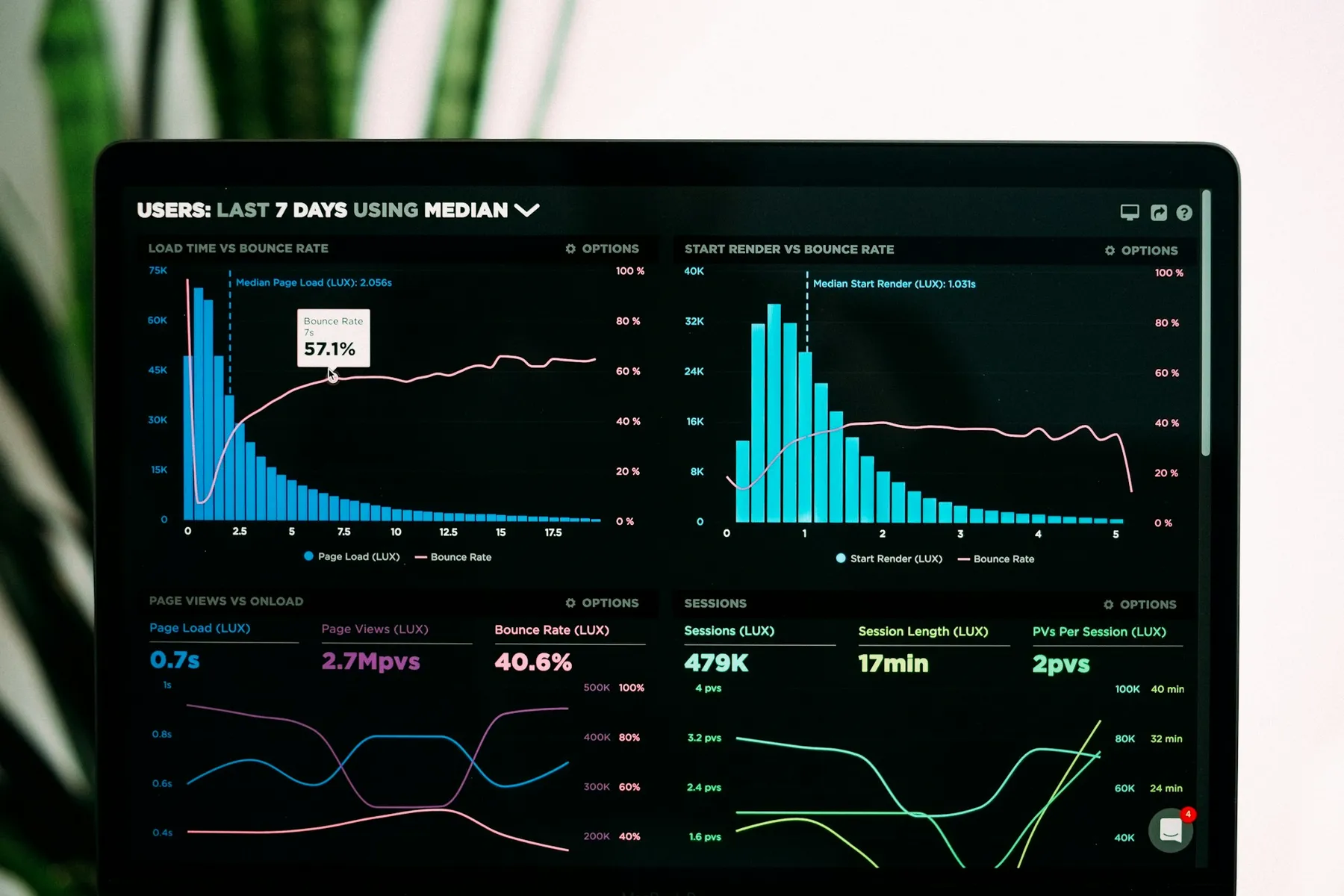
A cloud cost model built on compute prices is wrong before it is finished. The lines that decide whether a move pays back:
Compute and storage, right-sized against real utilization rather than your current server specs.
Data transfer, which is the line that surprises people most. Serving data to users is billed normally even though EU rules ban switching charges for leaving a provider from January 12, 2027.
Licensing, which can change dramatically depending on where a database or operating system runs.
Migration cost itself, including the rewrite work the assessment uncovers.
Parallel running, because two environments run at once for weeks or months during a migration.
Staff time, either your team's or a managed provider's, which is the line most business cases omit entirely.
What you stop paying for: hardware refresh cycles, data center contracts, and the maintenance work nobody counts.
The honest conclusion we reach on some projects: part of the estate should not move, or should move later. A consultant who finds a cloud case for everything is not assessing, they are selling.

Provider choice usually comes down to four practical things rather than feature tables: what your team already knows, which managed services genuinely save you work, what your compliance and customer contracts require, and what commitments or credits you already hold.
Lock-in is then a design decision. Portable building blocks such as PostgreSQL, containers, and object storage move between providers; proprietary databases and workflow engines do not. Keep infrastructure in code, isolate provider-specific calls behind your own interfaces, and write the exit plan once so it exists before anyone needs it.
The commercial side improved recently. Under the EU Data Act, switching charges including the egress involved in moving providers are banned from January 12, 2027, and the major providers already waive egress for customers leaving entirely. Day-to-day egress is still billed, so the technical side of portability still matters.
Most environments we review are 20% to 40% larger than they need to be, because they were sized at launch when nobody knew the real numbers and never revisited. A cost review covers:
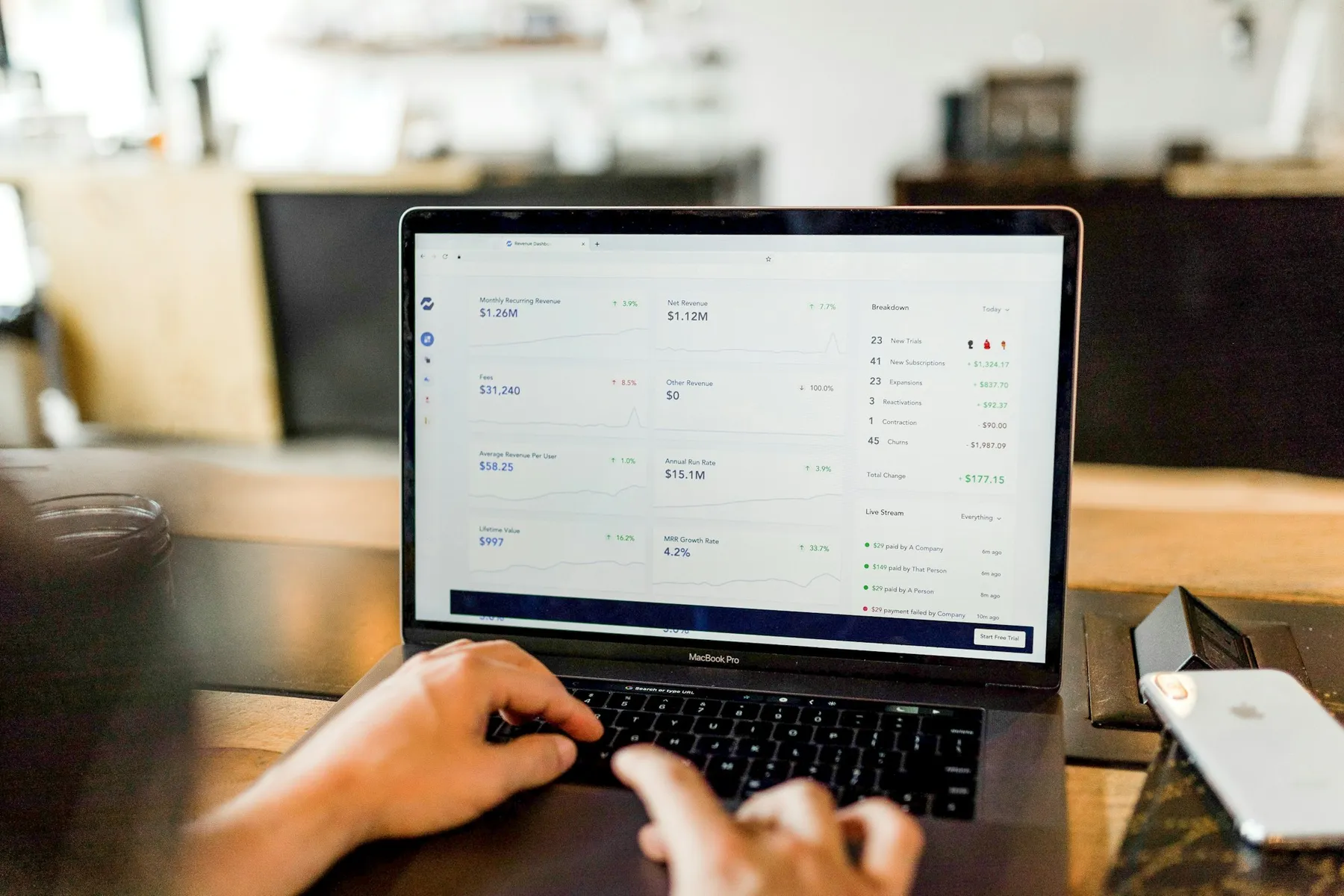
Right-sizing compute and databases against actual utilization.
Idle and orphaned resources: unattached volumes, idle load balancers, forgotten test environments.
Storage lifecycle rules for logs, snapshots, and backups, which quietly become one of the largest lines.
Commitment planning once demand patterns are steady, which is where the large savings sit.
Autoscaling ceilings, so a bug cannot produce a five-figure invoice.
Spend visibility per environment, service, and team, so the conversation can be specific.
We report the savings found and the risk attached to each, then you decide what to act on. Implementation can run through your team or through our cloud managed services.

| Requirement | What it changes about the plan |
|---|---|
| HIPAA | Business associate agreements, access controls, audit logging, and encryption for protected health information |
| PCI DSS | Card data isolated from the rest of the environment and handled through a compliant processor |
| SOC 2 | Documented controls, evidence collection, and change management your auditor will accept |
| GLBA and financial regulation | Data handling, vendor risk, and reporting obligations |
| State privacy laws | Consumer access, correction, and deletion rights reflected in system design |
| Customer contracts | Data residency, subprocessor disclosure, and breach notification terms, which often bind tighter than regulation |
Deeper testing and security programme work runs through our IT security and cybersecurity services team.

Inventory, interviews, current costs and contracts, compliance constraints, and the decision you need to make
Analysis: what moves, what changes, what retires, with effort and risk against each
Cost model and target architecture, including the landing zone and the guardrails
Sequenced plan, costed, with the first 90 days defined precisely enough to start
NewAgeSysIT is a US company with its own offshore delivery centers, which is how senior advisory time runs at $25 to $49 per hour with US-based leadership.
| Engagement | Effort | Cost at our rates | Typical duration |
|---|---|---|---|
| Cloud readiness assessment | 40 to 80 hours | $1,000 to $3,920 | 2 to 3 weeks |
| Migration strategy and business case | 60 to 140 hours | $1,500 to $6,860 | 3 to 5 weeks |
| Platform selection | 40 to 100 hours | $1,000 to $4,900 | 2 to 4 weeks |
| Landing zone design | 80 to 200 hours | $2,000 to $9,800 | 3 to 6 weeks |
| Cloud cost and FinOps review | 40 to 100 hours | $1,000 to $4,900 | 2 to 3 weeks |
| Modernization roadmap | 80 to 160 hours | $2,000 to $7,840 | 3 to 5 weeks |
| Compliance readiness review | 60 to 140 hours | $1,500 to $6,860 | 2 to 4 weeks |
| Fractional cloud advisor | 20 to 60 hours a month | $500 to $2,940 a month | Ongoing |
Cloud provider charges stay in your own accounts. We do not resell infrastructure, so any commitments or credits you negotiate remain yours.
For a quick figure on a build rather than an advisory engagement, our app cost calculator takes a couple of minutes.

Our office is in Princeton, which puts most of the state within an hour and a half for the sessions that work better in person: discovery workshops, architecture reviews, and the meeting where the budget gets agreed.
Clients outside the region work with us remotely, with meeting times set around their business hours.
Readiness assessments and leadership workshops
Migration strategy and modernization roadmaps
Data center exit planning and cost reviews
Platform selection and compliance readiness
Hybrid engagements across state lines
30+ years in software and infrastructure, 1,000+ projects delivered, and a five-star Clutch rating.
No reseller relationships. We take no commission from cloud providers, so staying put or moving less is an answer we can give.
Advice that comes costed, because the same company builds and runs these environments.
Everything transfers. Reports, cost models, architecture diagrams, and infrastructure definitions are yours.
US leadership, hybrid rates. Princeton-based project leadership with our own delivery centers at $25 to $49 per hour.

Get expert guidance before you invest in AI software development. Work directly with Giovanni to validate your technology direction, align AI with business goals, and make confident decisions that reduce risk and accelerate outcomes.
Request a Strategic Consultation

From every single moment, from the beginning till the end, they were there for me. They were very systematic and methodical in every single step and
Owner - ISRA
Increase in Monthly Bookings within 6 Months
Reduction in Appointment No-Shows

They delivered everything on time and it was of great quality. They go above and beyond to meet yourrequirements and deliver the product you are looking for.
Founder -LCard App
Increase in User Sign-Ups in First Quarter
Boost in Networking
Conversions

They are very knowledgeable in the sense that they have built so many of these types of applications that they..
Founder -CAR-UP App
Increase in Online Service Bookings
Reduction in Service Scheduling Conflicts

From every single moment, from the beginning till the end, they were there for me. They were very systematic and methodical in every single step and
CEO - WhipFlip
Faster Vehicle Listing to Offer Time
Increase in Lead-to-Sale Conversion Rate
From every single moment, from the beginning till the end, they were there for me. They were very systematic and methodical in every single step and
Owner - ISRA
Increase in Monthly Bookings within 6 Months
Reduction in Appointment No-Shows
They delivered everything on time and it was of great quality. They go above and beyond to meet yourrequirements and deliver the product you are looking for.
Founder -LCard App
Increase in User Sign-Ups in First Quarter
Boost in Networking Conversions
They are very knowledgeable in the sense that they have built so many of these types of applications that they..
Founder -CAR-UP App
Increase in Online Service Bookings
Reduction in Service Scheduling Conflicts
From every single moment, from the beginning till the end, they were there for me. They were very systematic and methodical in every single step and
CEO - WhipFlip
Faster Vehicle Listing to Offer Time
Increase in Lead-to-Sale Conversion Rate
They assess what you run, model what moving would cost against staying, recommend a platform and architecture, plan the sequence, and define the guardrails before anything moves. The deliverable is a decision supported by evidence, not a migration.
At our rates, a readiness assessment runs $1,000 to $3,920, a migration strategy and business case $1,500 to $6,860, platform selection $1,000 to $4,900, a landing zone design $2,000 to $9,800, and a cost review $1,000 to $4,900. Fractional advisory support runs $500 to $2,940 a month.
Two to three weeks for a single-estate readiness assessment, three to five weeks for a full migration strategy with a costed business case. Larger estates with many systems and owners take longer and are scoped after a call.
Sometimes, and not automatically. Lifting an application unchanged often costs more than the hardware it replaced. Savings come from right-sizing, autoscaling, managed services replacing manual work, and commitments once demand is steady. We model that honestly, including the cases where part of the estate should stay put.
Compute and storage sized against real usage, data transfer, licensing changes, the migration work itself, parallel running during the move, and ongoing staff or managed service time. Then what you stop paying for: hardware refreshes, data center contracts, and the maintenance nobody counts.
Usually what your team already knows, unless a specific managed service, an existing commitment, or a compliance requirement decides it. The platform differences that matter in practice are familiarity, managed service fit, and contractual terms rather than feature lists.
Prefer portable building blocks such as PostgreSQL, containers, and object storage, keep infrastructure in code, isolate provider-specific calls behind your own interfaces, and keep a written exit plan. Commercially, EU rules ban switching charges including exit egress from January 12, 2027, and the major providers already waive egress for full exits.
Yes, and it is one of the most common engagements. A cost and architecture review typically finds environments 20% to 40% larger than they need to be, along with idle resources, missing storage lifecycle rules, and commitments that were never taken up.
Yes, through our cloud application development and managed services teams, but you are not obliged to use us. The plan is written so another partner or your own team can execute it.
Yes. We map what HIPAA, PCI DSS, SOC 2, financial regulation, state privacy laws, and your own customer contracts require, then design the architecture and controls to meet the strictest of them rather than retrofitting after an audit.
Then we say so. Some workloads are cheaper and simpler where they are, particularly steady, predictable ones with licensing tied to the current platform. We take no commission from any provider, so that recommendation costs us nothing.
Yes. Our office is in Princeton and we work on site across the state where it helps, but engagements run remotely across the US with hours set around your business.
Access to whoever runs the systems, an inventory if one exists, current cloud or data center costs and contracts, your compliance obligations, and a clear statement of the decision you are trying to make. Most assessments need 6 to 10 hours of your team's time over two weeks.
Tell us what you run today, what is forcing the decision, and the date it has to be made by. We will tell you what should move, what it costs, and what to do first.
🔒 Your information is confidential and never shared. Guaranteed expert response within 1 hour.
Request a consultation or call 1-609-331-9194.
What you run today
What is forcing the decision
The date it has to be made by
